Tongji University Shanghai: My Experience Studying Abroad
This post summarizes my experience as an international exchange student at Tongji University in Shanghai. In 2016, I enrolled as a dual-degree student in the Master of Management Science and Engineering program. I spent a year completing the degree, followed by several months in an internship. In this post, I’ll cover the following topics:
- My experience at Tongji University
- Navigating life in Shanghai
- Tips to prepare for the exchange
If you’re considering studying in China or applying for a dual degree at Tongji, this post will give you a clear idea of what to expect plus some practical advice I wish I’d had before going.
Introduction
In October 2015, I took part in a Summer School Program jointly organized by the Sino-German School for Postgraduate Studies (CDHK?CDHK is the official name displayed on the building and it comes from the German term Chinesisch-Deutsches Hochschulkolleg, which translates to Sino-German School for Postgraduate Studies.) and the Technical University of Berlin (TU Berlin). The program gave me my first real impression of what studying at Tongji University and living in Shanghai would be like. I enjoyed the experience so much that it motivated me to apply for a dual-degree program?A type of degree programme (often organized by two universities) that allows you to earn two degrees..

I applied for the dual-degree program through my home university, TU Berlin, which had several open spots specifically targeted at postgraduate students in industrial engineering. The program lasts one year and gives participants the opportunity to earn a degree from both Tongji University and the Technical University of Berlin.
Overall, the program offers a unique opportunity to discover a new cultural and educational environment while still benefiting from the support of a university setting. Below, I’ll share some practical advice for anyone interested in an exchange or dual-degree program at Tongji University. But I think this information will be helpful to anyone considering an exchange program somewhere in China.
Campus and Courses at Tongji
Tongji University is a huge university, with student numbers varying slightly by source but generally exceeding 35,000 full-time students. It offers a wide range of programs across economics, management, engineering, and the sciences. For many students, the campus experience is split between two main locations.
The Siping Campus is the primary hub, hosting the central administration, the School of Economics and Management (SEM), the International School, the Sino-German School for Postgraduate Studies (CDHK), and several other faculties. Students studying economics or engineering-related subjects spend most of their time here. Engineering students may occasionally travel to the Jiading Campus for some courses. For most exchange and dual-degree students, Siping and Jiading are the two most relevant campuses.
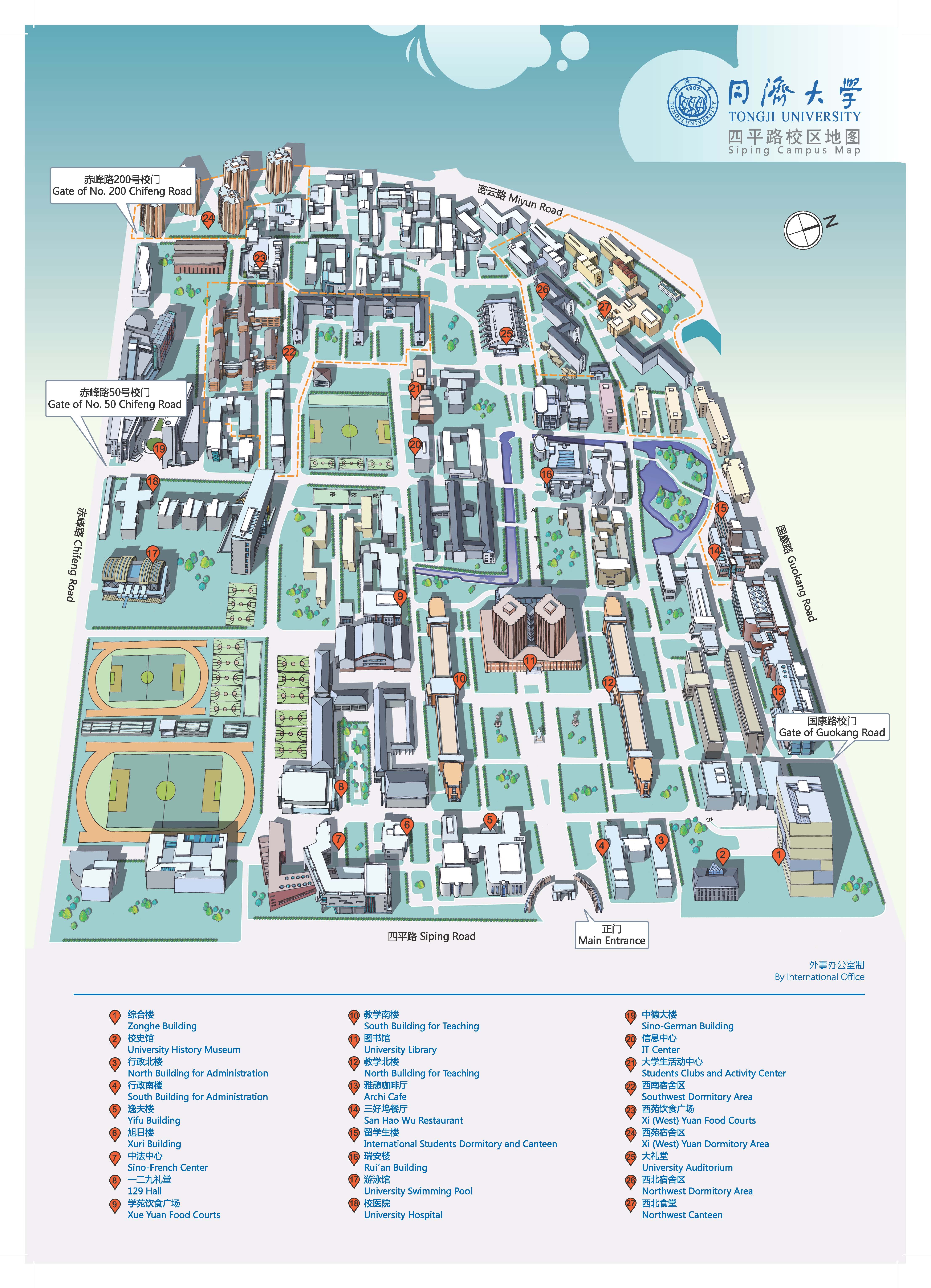
Siping Campus
As an exchange student, the Siping Campus is where you'll spend most of your time. One thing I definitely underestimated before arriving was the size of the campus—walking between buildings takes much longer than I was used to at my university in Germany. Because of this, many students choose to buy a bicycle or use one of the many public bike-sharing services to get around more easily.
For dual-degree students, most courses are held at the School of Economics and Management (SEM), the Sino-German School for Postgraduate Studies (CDHK), and the International School. These buildings are especially convenient if you live in the Zhangwu Road dormitory—I’ll cover accommodation options in more detail later.
Review of Courses
Most courses are graded based on a combination of class attendance/participation, a presentation and an exam. As someone who prefers self-study and wanted to travel during my time abroad, I found the emphasis on class attendance frustrating.
The courses at the CDHK are usually taught in English but there is also a large offer of courses taught in German and Chinese. Below is an overview of some of the courses that I attended with a brief description and my personal opinion:
-
Introduction to Chinese Culture and Society by Dr. Hernig: A one-week course focused on the history of China. It covered major historical events such as the Opium Wars, the civil war between the Communists and Nationalists, the founding of the People’s Republic of China (PRC), China under Mao Zedong and much more. The course also included several short field trips around Shanghai, which I really enjoyed. Dr. Hernig taught very passionately which made the classes interesting and engaging. In short, I would highly recommend this course.
-
New Product Development by Prof. Max von Zedtwitz: This course gave an introduction into the process of designing new products and is mainly case-based. Since the course was held over one weekend, it’s a great way to earn some credits that count towards your degree in a short amount of time. I can recommend this course to anyone who is remotely interested in innovation, entrepreneurship, or easy credits. The class was examined by an open book exam on the last day and a few small group presentations during class.
-
Econometrics by Prof. Werwatz: This short course, lasting only a few days, covered the basics of statistical regression and provided a solid overview of fundamental concepts in econometrics and statistics. I’ve always found these topics a bit dry, but the lecturer was kind, engaged, and kept the classes interesting. The course alternates between theory and practical exercises, which was a welcome change from the usual lecture-based format. Anyone with prior undergraduate level knowledge of statistics should have no problem keeping up and is well-positioned to get a good grade. Assessment is based on an exam, conveniently scheduled a few weeks after the final lecture, giving students ample time to prepare.
-
Entrepreneurship in China by Prof. Han: This was both the most challenging and interesting course that I had during my first term at Tongji. The course was several weeks long and every week a new topic related to entrepreneurship was covered. The main part of the course was coming up with a start-up business idea in China. This idea was then pitched during class and the individual groups had the chance to invest virtual money. Overall the course was very engaging and Prof. Han kept the classes entertaining. It was one of the few courses that I actually looked forward to attending.
-
Information Management and E- Collab. by Prof. Ludwig Nastansky: This course taught the basics of using the IBM lotus notes desktop environment. During the few classes that we had, a lot of the time was used to get the program installed on every computer. This was extremely time consuming and tied to several technical difficulties. The course content was limited to learning how to make calendar appointments, send/receive e-mails and a brief overview of deep learning and neural nets. Overall, the course was unstructured and lacked substance for a postgraduate course. A disappointing experience for a course that initially sounded promising.
In general, the quality of courses at the CDHK was similar to what I was used to at my home university, the Technical University of Berlin. However, this was not always the case for courses at the School of Economics and Management and the International School, where the quality was sometimes slightly disappointing.
A common issue was communication, as some foreign lecturers struggled to express themselves fluently in English. Organization was also a challenge: many lectures and dates were announced on short notice, making course collisions almost inevitable. This was particularly frustrating when the conflicting courses both required attendance and were only offered once a year.
Fortunately, most (though not all) lecturers were aware of these issues and willing to be flexible, which helped mitigate some of the challenges.
Structuring the Degree
If you’re also pursuing a dual degree, here are some important things to be aware of:
-
Complete your engineering courses at your home university and transfer the credits towards your degree at Tongji. The engineering courses at Tongji are mostly held at the Jiading Campus, which is quite far from the main Siping Campus. Finishing as many emgineering courses as possible at TU Berlin beforehand will save you a lot of time and commuting stress.
-
Know your degree requirements! You’ll come across a document called the “Curriculum of Degree Program”, which lists all the courses required to complete your degree. Not every course you take will count toward your degree, so it’s crucial to know exactly which courses do count and which don't.
-
Register early for SEM and International School courses. Some courses at the School of Economics and Management (SEM) and the International School are mandatory. Registration usually operates on a first-come, first-served basis. For SEM courses, you’ll need to visit the administration office and speak with the person in charge, when I was there, it was Mr. Spencer Fan.
-
Don’t miss International School course registration deadlines. Registration for compulsory International School courses is done online through a not so user-friendly online system, so make sure you don’t miss the registration window.
Sports on Campus
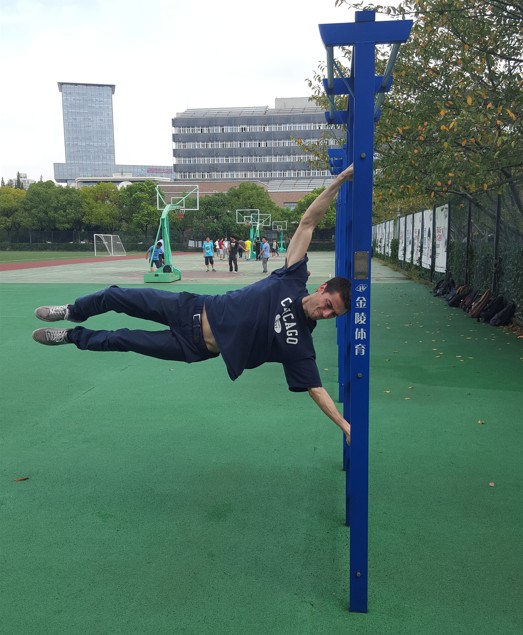
The main campus has plenty of sports facilities, including football pitches, tennis courts, basketball courts, table tennis tables, an indoor swimming pool, volleyball courts, and a fitness center. Some of these facilities can be seen at a glance on the map further above. Participating in on-campus sports is a great way to meet local students and step outside the international-student bubble. Many local students speak English, and those who don’t make excellent conversation partners if you want to practice your Chinese.
You can join through official classes, but I usually preferred just joining a group of people already playing on the courts—it’s often the quickest and easiest way to get involved and meet new people.
Personally, I found it challenging to maintain a healthy sports routine, as the local food and the low air quality in Shanghai affected my energy levels. I’d recommend getting a small air purifier for your dorm, finding a few clean food spots you enjoy, and buying a mini fridge to store snacks and fresh food.
Stuff Around the Campus
Here are some spots worth checking out near the Siping Campus:
-
Songhe Park (松鹤公园): A small park near the Zhangwu Road dormitory. Green space is rare in Shanghai, so this little park was my go-to spot for a walk or a break.
-
Shanghai Wujiaochang Wanda Plaza (上海五角场万达广场): A large shopping mall with plenty of western restaurants. The Italian restaurant in the mall became my go-to for dinner during my last months in Shanghai when I was too tired of the chinese food.
-
La Bamba, Guoding Road: A Mexican bar popular with international students at Tongji University. Great for casual drinks or a night out.
-
Fengcheng Shopping Mall (凤城商场), Fengcheng Road: The closest mall to Siping Campus. The bottom floor has fresh fruit, and there are a few clean places to eat.
-
Tongji Union Plaza: Located on Zhangwu Road, this plaza has some small restaurants that are decent for a quick meal.
Life in Shanghai
Life in Shanghai can be overwhelming especially due to the large amount of organizational and administrative things that need to be done upon arrival. The overview below gives you an
The First Day
Arriving at either Hongqiao or Pudong Airport is equally convenient. Both airports are connected to the city by metro lines that take you directly into central Shanghai. Pudong Airport also offers a Maglev train, which reaches the city in about 15 minutes.
If you arrive late at night, the metro and Maglev may already be closed. In that case, it’s best to avoid the taxis waiting directly outside the terminal and take an airport bus instead, as it is significantly cheaper.
For my first night in Shanghai, I booked a hotel because I wasn’t sure whether my dormitory room was already available. I strongly recommend checking in advance with the responsible contact to confirm when your room will be ready.
The First Week
The first week in Shanghai can be overwhelming especially due to the large amount of organizational and administrative things that need to be done.
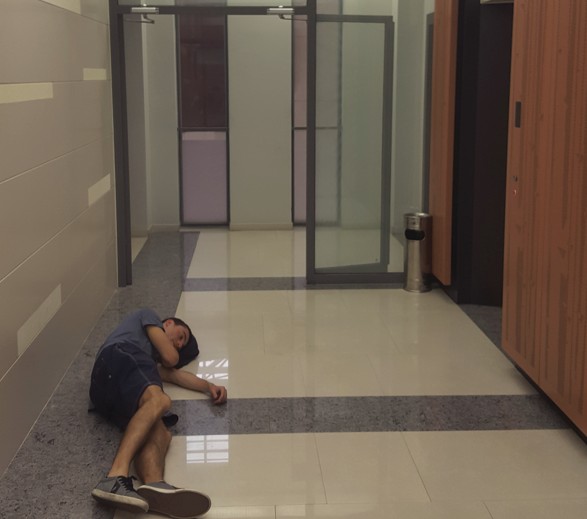
The following list gives a brief overview of some of the most important things to take care of during the first week in Shanghai:
-
SIM Card: When buying a SIM card, make sure to take advantage of the special offers on the Tongji campus at the beginning of the semester. Around the football field opposite the Student Clubs and Activities Center, several mobile carriers set up temporary booths offering SIM cards at much better rates than you’ll find off campus. This campus fair only lasts a few days, so don’t miss it.
-
Internet: The Sino-German School for Postgraduate Studies provides free internet access in the library once you have your student ID card. To get Wi-Fi in your dorm room, however, you must register in person at the China Mobile store on the Siping campus (this can only be done there). Since most contracts are in Chinese, it’s highly recommended to bring your study buddy (or anyone who speaks Mandarin) with you.
-
Roommates: If you plan to share a dorm room with a friend, go to the administration office together. Arriving on different days will usually result in being assigned to separate rooms, and changing rooms afterward is extremely difficult.
-
Student Associations: At the beginning of the semester, Tongji’s student associations introduce themselves during a campus fair. This is a great opportunity to learn about extracurricular activities. Once the fair is over, however, information about student associations becomes surprisingly hard to find.
-
Transportation: Distances between dorms and campus facilities—and even within the campus itself—can be quite long. Buying a used bicycle or a scooter during your first few days is convenient and highly recommended.
Accommodation
Here are some of the things to keep in mind when choosing a place to live in Shanghai. In the following I’ll discuss the most feasible options for accommodation.
University Dorms
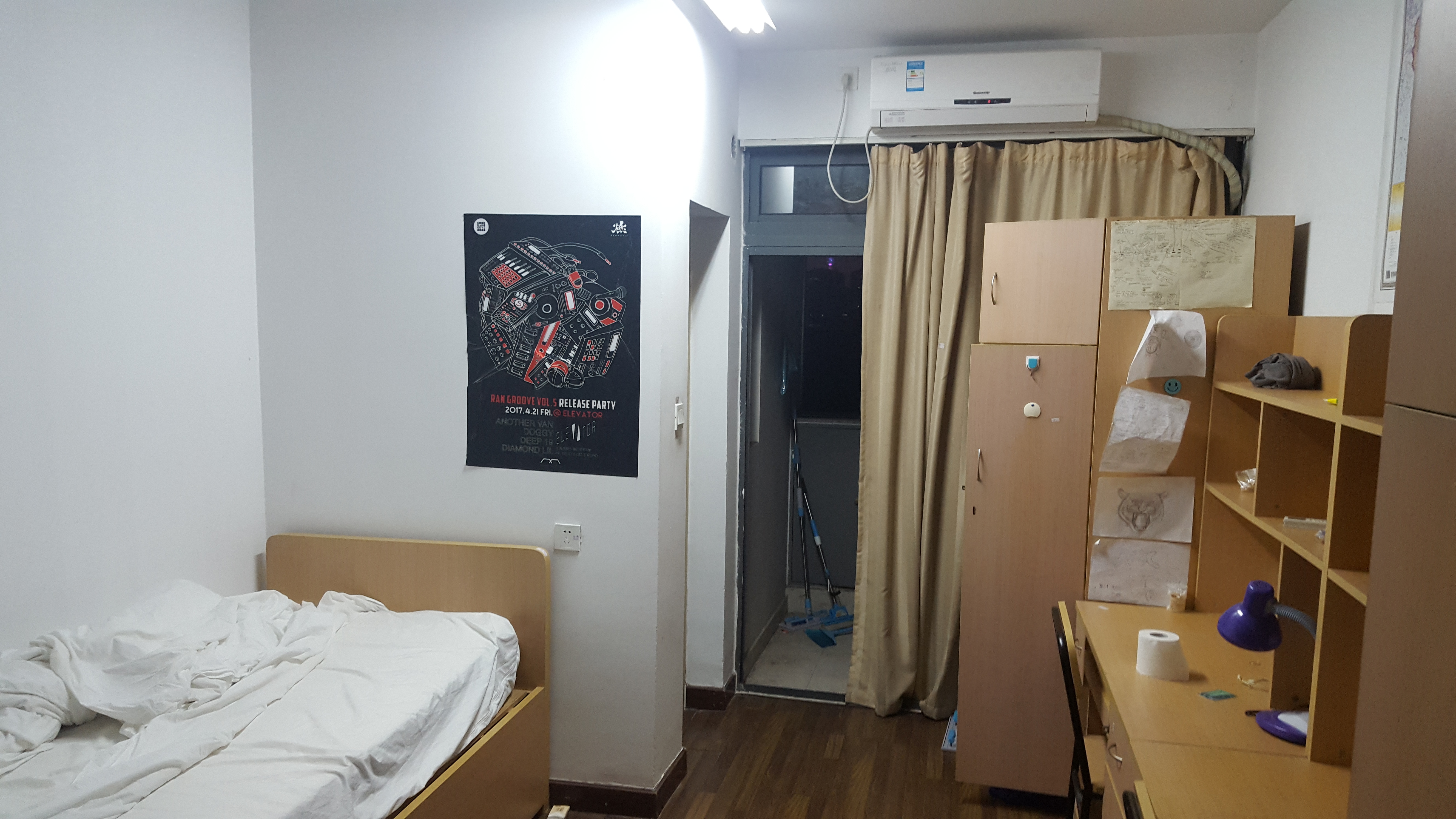
The dormitories at Tongji University are free of charge for CSC Scholarship students and moderately priced for non-scholarship students. The dorm I am most familiar with is the Zhangwu Road Dormitory. Overall, the double rooms are perfectly adequate and come with all essential facilities, including a private bathroom with toilet, a desk, bed, wardrobe, and air conditioning.
Be aware that certain electrical appliances—such as microwaves, heaters, and cooking devices—are not permitted in the dorms. These items are regularly confiscated during room inspections, so it’s best to keep them hidden. One major advantage of the Zhangwu dorms is their location: the surrounding area offers a wide variety of affordable restaurants, making daily life very convenient.
Off Campus Accommodation
Living off campus is a more attractive option if you value privacy or prefer not to share a room. However, renting in Shanghai can be expensive, with monthly rents typically ranging between €400 and €600. Chinese Scholarship Council (CSC) Scholarship students can reclaim approximately €100 per month if they choose not to use the university dormitory.
That said, renting in Shanghai comes with risks. I’ve heard some extreme stories ranging from authorities tearing down illegal apartment walls to tenants never getting their deposits back. If you decide to live off campus, proceed with caution and accept that you'll likely never see your deposit again.
Learning Mandarin
One of my biggest takeaways from the first few months in Shanghai was just how helpful it is to know at least some Mandarin. Before arriving, I assumed that most people would speak English—but that really wasn’t the case. In shops, dorms, restaurants, clubs, and malls, staff usually speak little to no English.
Knowing Mandarin also makes it much easier to step out of the international-student bubble and actually connect with local students. Some of my best memories in Shanghai came from becoming friends with Chinese students and hanging out with them outside of class.
Because of that, I’d strongly recommend learning the basics before coming to China. I started studying Mandarin in advance and arrived with an HSK level 3, and during my stay I managed to pass the HSK level 4 exam. There are plenty of great tools out there—personally, I relied heavily on Pleco as a dictionary and Anki for flashcards.
Shanghai Climate
The best weather in Shanghai is between September and November. During these months, temperatures are comfortably warm and air pollution is usually at its lowest. This changes around mid-December, when pollution levels tend to rise noticeably. On days with heavier air pollution, it’s best to avoid outdoor sports, wear a mask, and use an air purifier indoors.
Chinese Food
Chinese food in Shanghai can take some time to get used to. If you live in the Zhangwu Road dorms, you’re surrounded by a huge variety of restaurants, which makes experimenting a lot easier. On campus, there are several canteens serving food throughout the day, and they’re a popular option if you spend a lot of time there.
That said, I personally found the campus food a bit repetitive, and the quality wasn’t always great. A fantastic alternative is ordering food, which is incredibly convenient in Shanghai. Deliveries are fast, cheap, and usually very good. The two most common food delivery apps are Meituan Waimai (美团外卖) and Ele.me (饿了么) — you’ll probably end up using them a lot.
Nightlife
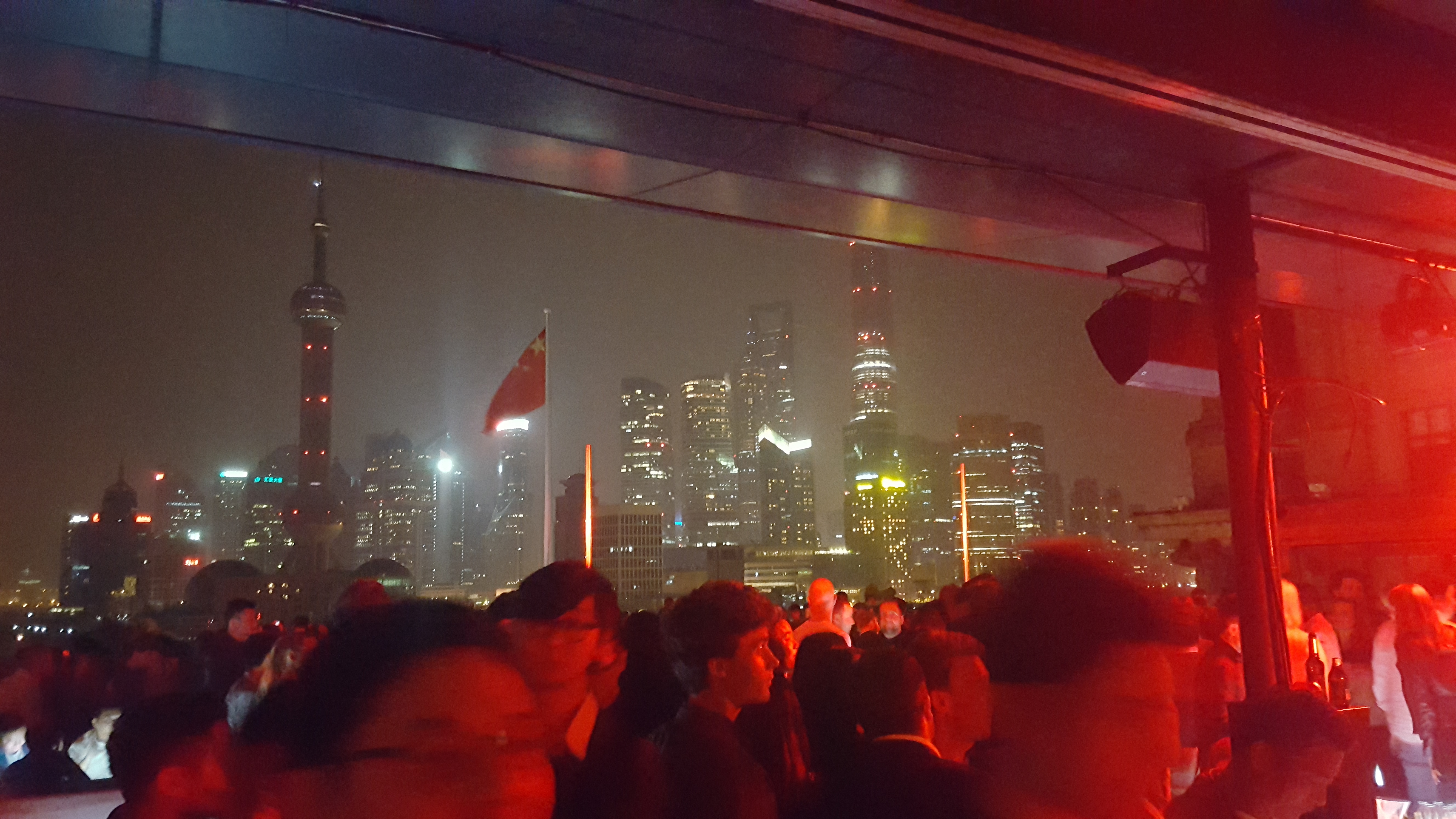
The nightlife in Shanghai is one of the most fascinating scenes to dive into. Coming from Berlin, a city with notoriously high nightlife standards, I didn't expect to be impressed. Shanghai, however, far exceeded my expectations.
One thing that quickly stands out is how accessible clubbing can be for westerners. Entry is often free, and it’s not unusual to be offered free drinks and a table. Many clubs encourage a high quota of westerners, as it attracts more local Chinese guests who tend to spend the big bucks.
Your best gateway into Shanghai’s nightlife is a good promoter. Promoters bring international guests to clubs in exchange for a commission, and they are usually hyper-social, outgoing, and very motivated to keep you close. The best promoters are typically found through word of mouth, and you’ll quickly pick up reliable contacts by asking around in the international student community.
Some of my favourite clubs include:
-
Bar Rouge: Famous for its stunning view over the Bund and the Pudong skyline.
-
M1NT: A high-rise club known for its rooftop location overseeing Shanghai's skyline and a large shark tank spanning the entire length of the club.
Preparing for the Stay Abroad
Preparing for the dual-degree program at Tongji University starts early. The application deadline is roughly a year in advance, so planning ahead is essential. Fortunately, the CDHK Office and the TU Berlin Exchange Office provide strong support and guide you through the process.
6-12 Months Before Departure
Register on Tongji University’s online portal and send the required documents to the Tongji office. It’s best to do this early, as express shipping can be significantly more expensive than regular mail.
Apply for scholarships as early as possible. The most common options are the Chinese Government Scholarship (CSC), the PROMOS Scholarship, and the CDHK DAAD Scholarship. Make sure the scholarships you apply for are compatible, as some providers do not allow multiple scholarships at the same time.
2-3 Months Before Departure
-
Credit Card: Apply for a credit card with low or no foreign withdrawal fees. This is something I initially overlooked, which ended up costing me a noticeable amount of money during my first weeks in Shanghai.
-
Visa: Apply for your visa. The application process at the Berlin office took about ten days in my case. I applied for an X1 visa, which I later converted into a residence permit after arriving in Shanghai. While several visa options exist, this is the most common route for exchange students.
-
VPN: Set up a VPN on your laptop and other portable devices. Many commonly used websites and services are blocked in China, and having a VPN ready before arrival is extremely helpful.
-
Buddy Program: Apply for the Buddy Program. The first administrative tasks in Shanghai can be challenging, as not everyone speaks English and many documents and registrations are in Chinese. Having a local buddy can make this transition much smoother.
-
Vaccinations: Get the recommended vaccinations. Although vaccinations are also available in China, it is far more convenient to get them at your local clinic in Germany. I was vaccinated against Hepatitis A and B, as well as Tetanus. Most clinics will advise you based on your travel plans within China.
Within 30 Days of Arrival in Shanghai
-
Health Examination: Complete the mandatory health examination. To convert your visa into a residence permit, you must pass a health check within the first 30 days of arrival. It’s important to book the appointment online in advance, as the clinic is often booked up.
-
Residence Permit: Convert your visa into a residence permit. This step finalizes your legal stay in China and is required for long-term study.
-
Bank Account: Open a Chinese bank account after arrival. This is especially important if you want to use food delivery or payment apps, as many of them only accept Chinese bank accounts. If you receive the CSC Scholarship, opening an account at China Merchants Bank is mandatory.
Final Remarks

Adapting to a different cultural setting proved to be an intuitively rewarding experience. Building new friendships, navigating bureaucratic hurdles, and adjusting to the fast-paced academic environment often required a fundamentally new—sometimes counterintuitive—approach. The program gave me valuable insight into what it means to live and study in Shanghai.
Personally, I can imagine spending more time in China and building a career at the intersection of Chinese and German culture. Over the course of my stay, I also learned that not everyone shares this perspective. Nevertheless, I believe that if you truly embrace the unfamiliar, time spent in Shanghai can become a deeply transformational experience.